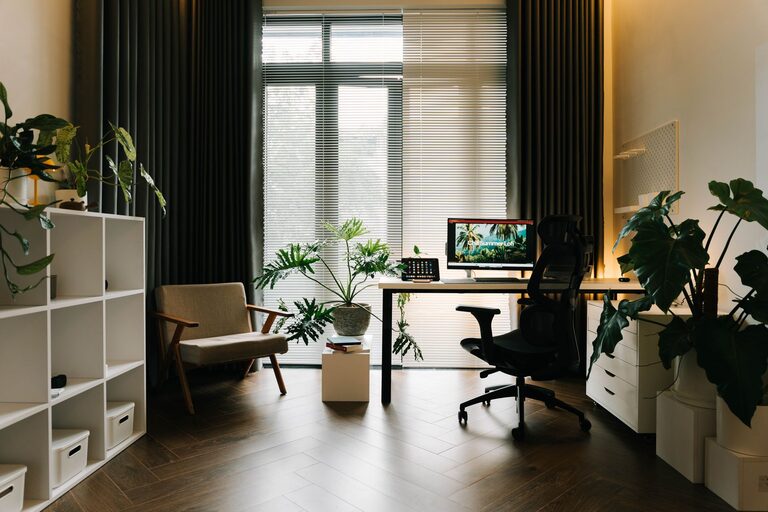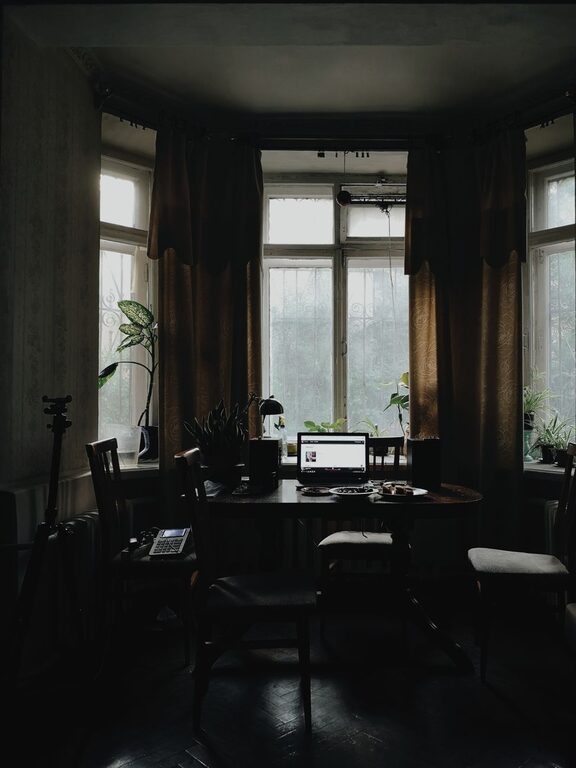




Creating a productive home workspace is essential for staying focused and efficient throughout your workday. Whether you’re working remotely full-time or just occasionally, a well-organized workspace helps reduce distractions and improves your overall mindset. Here are practical tips on how to set up and organize an effective workspace at home.
Choose the Right Location
Finding an appropriate spot for your home office is the first step. Ideally, select a quiet area with minimal foot traffic and natural light. This helps you stay alert and reduces noise interruptions.
– Avoid working in common areas like the kitchen or living room where distractions abound.
– If possible, dedicate a separate room or a corner of a room exclusively for work.
– Look for a place near a window to take advantage of natural light — it’s proven to enhance mood and productivity.
Invest in Comfortable and Functional Furniture
Comfort and ergonomics are key when organizing a workspace. Sitting for long hours on an uncomfortable chair can cause back pain and reduce focus.
– Choose an adjustable office chair that supports your lower back.
– Use a desk or table at the correct height to avoid strain on your wrists and arms.
– Consider a standing desk or a sit-stand converter to vary your posture throughout the day.
Declutter and Keep Only Essentials
A clutter-free workspace promotes clear thinking and efficiency. Limit your desk items to what you need daily.
– Use drawer organizers or storage bins to keep small items tidy.
– Store paperwork in labeled folders or file cabinets.
– Remove non-work-related items from your desk to reduce distractions.
Organize Your Supplies Strategically
Having easy access to your supplies saves time and keeps your workflow smooth.
– Keep frequently used items like pens, notebooks, and chargers within arm’s reach.
– Use desk organizers or cups to keep stationery tidy.
– If you use sticky notes, consider a bulletin board to group all reminders in one place.
Set Up Efficient Technology and Cable Management
Technology is essential for a home office, but cables and devices can easily become messy.
– Use cable clips, sleeves, or trays to bundle wires neatly and prevent tangling.
– Position your computer monitor at eye level to reduce neck strain.
– Invest in a good quality headset or microphone if you attend online meetings regularly.
Personalize Your Space to Boost Motivation
Adding a personal touch can make your workspace inviting and inspiring.
– Decorate with a few plants; they improve air quality and add a calming effect.
– Hang art, photos, or inspirational quotes that energize you.
– Use a desk lamp with adjustable brightness to create a comfortable light level.
Establish Boundaries Between Work and Home Life
One of the challenges of working from home is separating work from personal time.
– Use your dedicated workspace only for work-related activities.
– At the end of the day, close your laptop and physically leave the workspace to signal the end of work.
– Set specific work hours and communicate them to family or housemates.
Maintain Regular Tidying Habits
Keeping your workspace organized is an ongoing process.
– Spend a few minutes at the end of each day to clear your desk and straighten supplies.
– Schedule a weekly deeper clean to file papers and dust surfaces.
– Review your workspace setup periodically and make adjustments as your needs change.
Optimize Lighting and Temperature
A comfortable environment supports focus and wellbeing.
– Combine natural light with adjustable artificial lighting to reduce eye strain.
– Keep the room temperature comfortable; too hot or cold can distract you.
– Use blinds or curtains to control glare on your computer screen.
Add Ergonomic Accessories
Small accessories can enhance your comfort and efficiency.
– Use a mouse pad with wrist support.
– Add a footrest to improve posture.
– Consider a monitor stand to ensure screens are at the proper height.
—
Organizing a home workspace for productivity takes planning and consistency, but the results can greatly improve your work experience and output. By choosing the right location, investing in ergonomic furniture, minimizing clutter, and personalizing your space, you create a comfortable environment where focus and creativity can thrive. Regular maintenance and clear boundaries help sustain a healthy balance between work and home life. Start implementing these tips today to build a workspace that supports your best work.