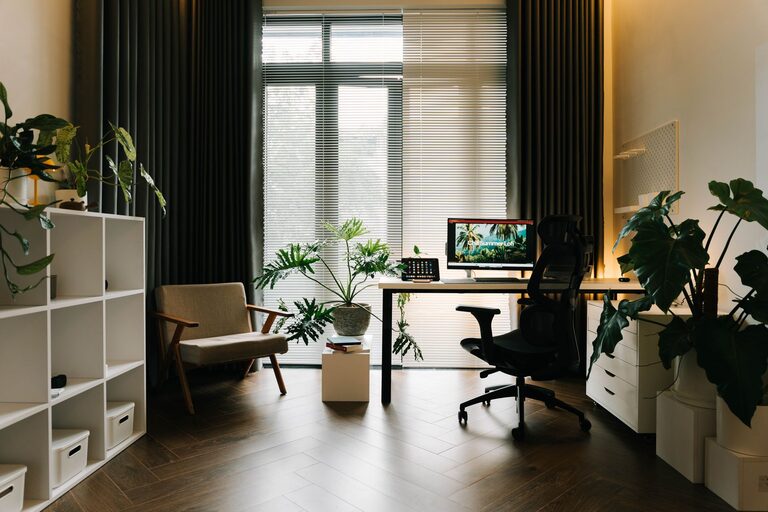


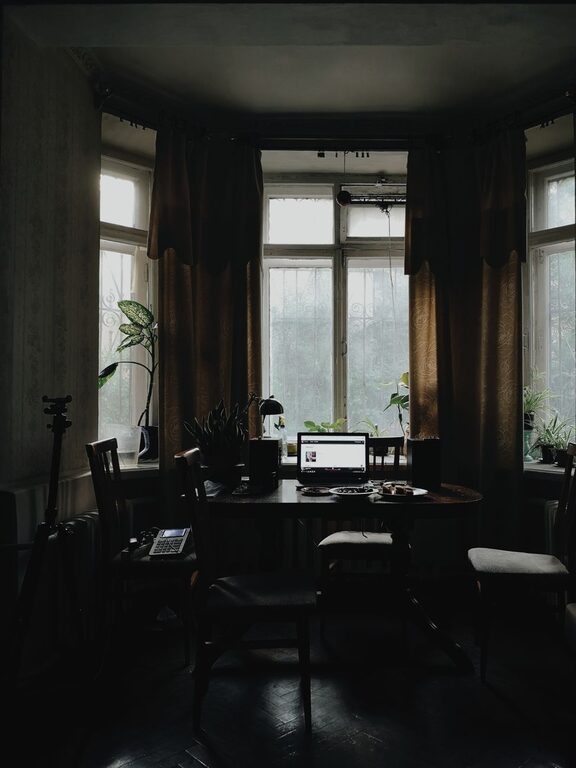
Creating a relaxing home office environment is essential for maintaining productivity and reducing stress, especially as more people work from home. A well-designed workspace can improve focus, creativity, and overall comfort throughout your workday. In this post, we’ll share practical tips to help you create a calming and inspiring home office that supports your work needs and promotes relaxation.
1. Choose the Right Location
Selecting the right spot for your home office is the foundation of creating a relaxing environment. Ideally, choose a quiet area with minimal distractions. A separate room is best, but if that’s not possible, try to set up your workspace in a corner or nook away from heavy foot traffic.
Consider natural light
Natural light can improve mood and reduce eye strain. Position your desk near a window to take advantage of daylight. If natural light is limited, use adjustable, warm lighting that mimics daylight to create a bright and inviting space.
2. Invest in Comfortable and Ergonomic Furniture
Comfort plays a big role in your ability to focus and stay relaxed. Invest in an ergonomic chair that supports good posture. Adjustable chairs provide better comfort over long hours.
Desk height and layout
Choose a desk that suits your height and allows proper placement of your computer and other tools. Keep your desk surface clutter-free, with only essential items within reach to maintain a neat and organized workspace.
3. Use Calming Colors and Decor
Colors can affect your mood and productivity. Soft, neutral tones like blues, greens, and light grays create a peaceful atmosphere. Avoid overly bright or distracting colors.
Add personal touches
Decorate your workspace with items that inspire you, such as artwork, photographs, or plants. These elements make the space feel welcoming and can help reduce stress.
4. Incorporate Indoor Plants
Plants are excellent for both aesthetics and air quality. They add a touch of nature, which promotes relaxation and creativity. Consider easy-to-care-for plants like succulents, snake plants, or pothos.
Placement tips
Place plants on your desk, shelves, or nearby windowsills to maximize their calming effects without crowding your workspace.
5. Manage Noise Effectively
Noise can interrupt focus and increase stress levels. If you live in a noisy environment, consider noise-cancelling headphones or background music like ambient sounds or instrumental playlists to reduce distractions.
Soundproofing ideas
Soft furnishings such as rugs, curtains, or wall hangings can also help absorb sound and improve the room’s acoustics.
6. Keep Your Workspace Organized
An organized workspace reduces mental clutter and helps you feel calm and in control. Use storage solutions like shelves, filing cabinets, or desk organizers to keep papers and supplies neat.
Declutter regularly
Set aside time weekly to tidy your desk and remove unnecessary items. This habit fosters a clean environment conducive to relaxation and productivity.
7. Optimize Lighting for Comfort
Proper lighting is vital for reducing eye strain and maintaining energy. In addition to natural light, use task lighting like adjustable desk lamps with warm bulbs.
Avoid glare
Position screens and lights to avoid glare or reflections that can cause discomfort.
8. Take Breaks and Move
Even the best environment requires you to take breaks. Regular short breaks help reduce tension and refresh your mind.
Stretch and relax
Incorporate simple stretches or breathing exercises during breaks to help maintain relaxation and focus throughout the day.
9. Personalize Your Workspace for Motivation
Adding motivational quotes, vision boards, or reminders of your goals can encourage a positive mindset. Just be sure not to overcrowd your space so it remains serene.
10. Maintain Good Air Quality
Fresh air helps you stay alert and calm. Open windows regularly to circulate air, or use an air purifier if needed.
—
Creating a relaxing home office environment is about combining comfort, organization, and personal touches that make you feel inspired and at ease. By applying these tips, you can build a workspace that supports both your productivity and your well-being. Start small, and adjust your setup as needed until it feels just right for you. Happy working!